 ★ Featured deal
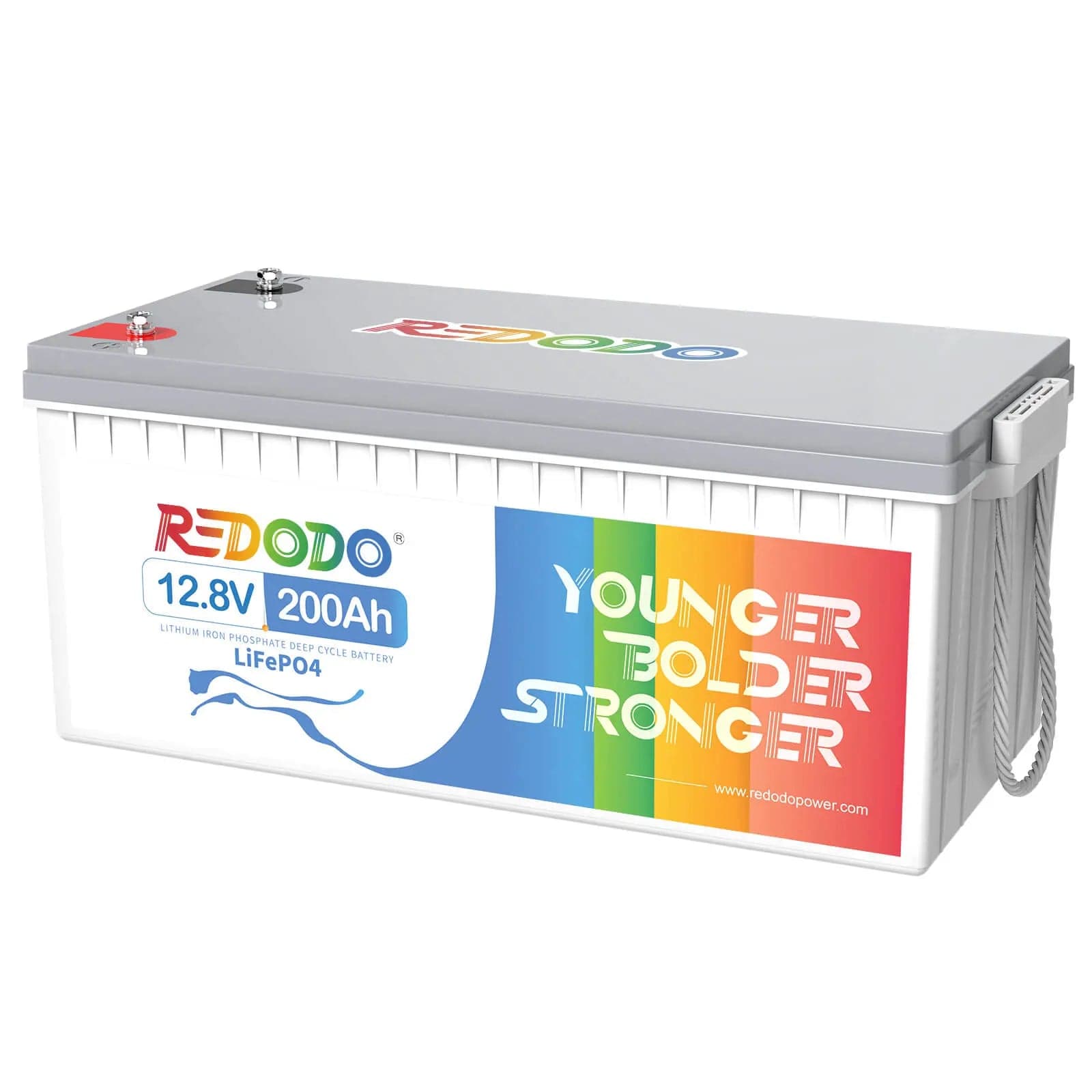
Redodo LiFePO4 12V 200Ah Plus Battery | 2.56kWh & 2.56kW
- 10 years lifespan, half the cost
- 4x longer runtime, steady performance
- 200A BMS protection
- 2-7 working days delivery, 24h online service
$449.99 $769.99
★ Featured deal · 🇺🇸 United States
$449.99$769.99✓ 10 years lifespan, half the cost✓ 4x longer runtime, steady performance
Independent buying guide – we cover only Redodo batteries and link to the official Redodo stores.
Cycles
4000+ deep cycles
Warranty
10-year lifespan
BMS
200A BMS protection
Delivery
2-7 working days delivery
★ Featured deal$449.99 $769.99
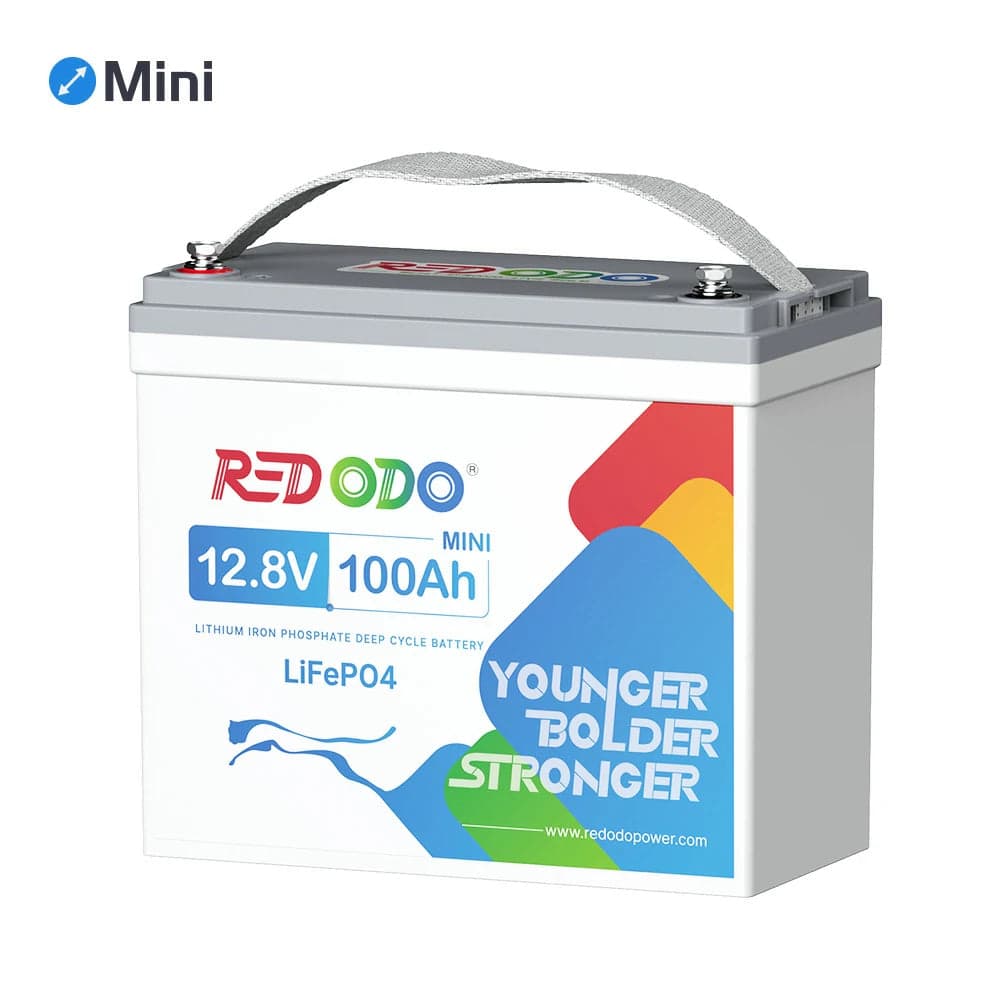
$279.99 $399.99
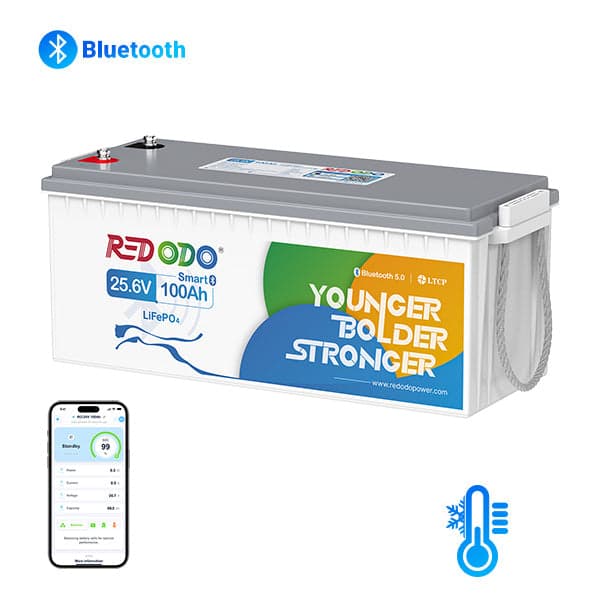
$579.99 $929.99
See exactly what arrives: battery, terminals, bolts and manual — before you buy.
| Model | Voltage | Capacity | Energy | BMS | Best for |
|---|---|---|---|---|---|
| 12V 200Ah Plus | 12.8V | 200Ah | 2.56kWh | 200A | Biggest storage per euro |
| 12V 100Ah Mini | 12.8V | 100Ah | 1.28kWh | 100A | Tight spaces, campers, boats |
| 24V 100Ah Bluetooth | 25.6V | 100Ah | 2.56kWh | 100A | High-power 24V with app monitoring |
Why lithium beats lead-acid for solar storage: usable capacity, flat voltage, lifespan and what to check before switching.
Read the guide →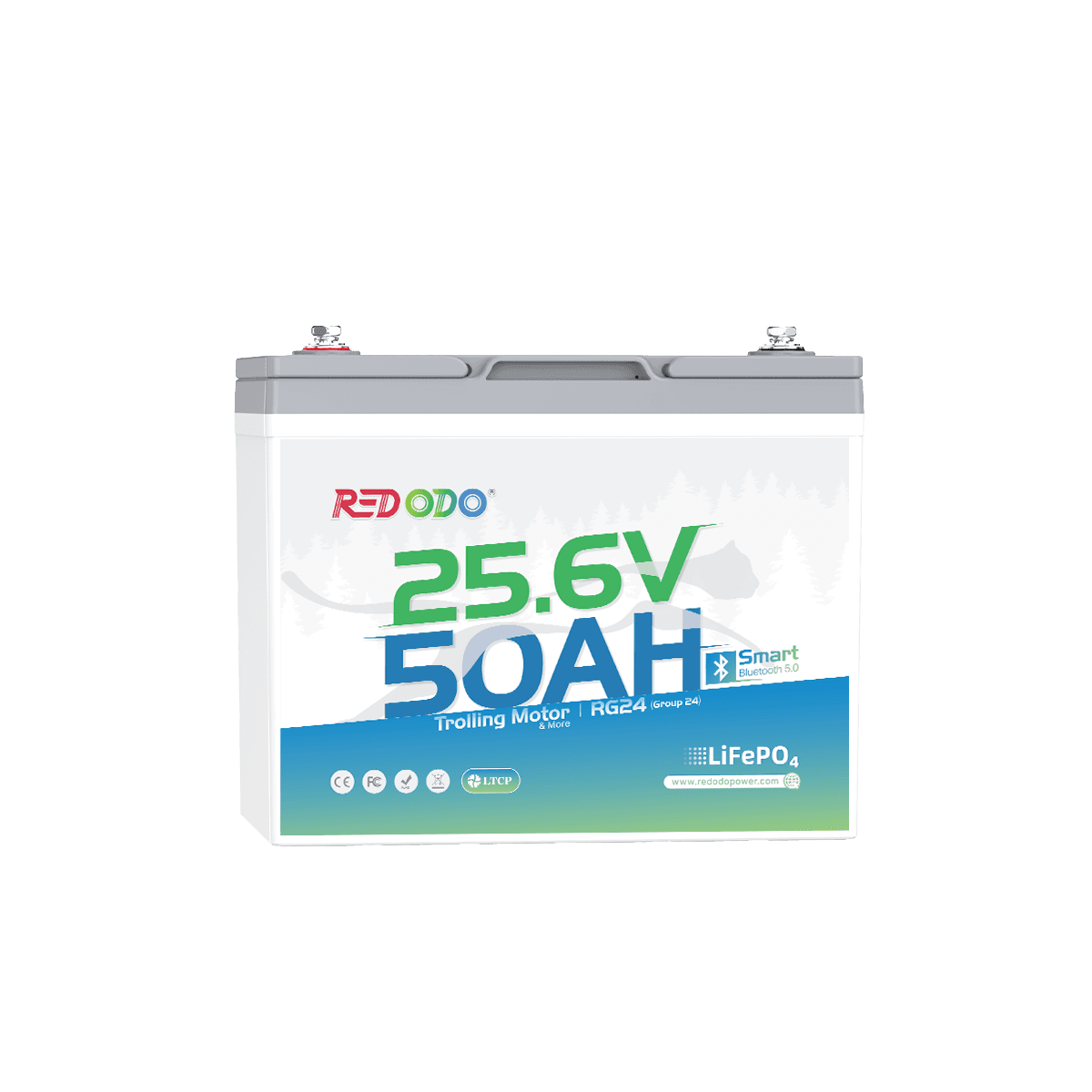
12V keeps existing loads simple, 24V halves current for inverters and big motors — how to choose for your build.
Read the guide →From daily watt-hours to bank size: the simple maths for sizing a lithium bank with reserve for cloudy days.
Read the guide →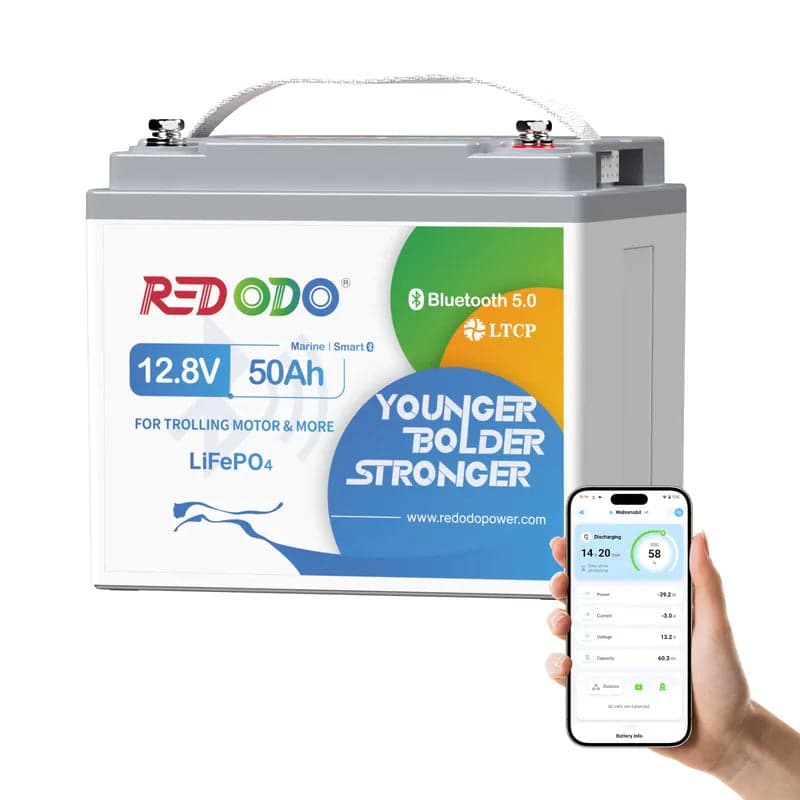
What the Bluetooth app actually shows you — cell voltages, temperature, protection trips — and when to act on it.
Read the guide →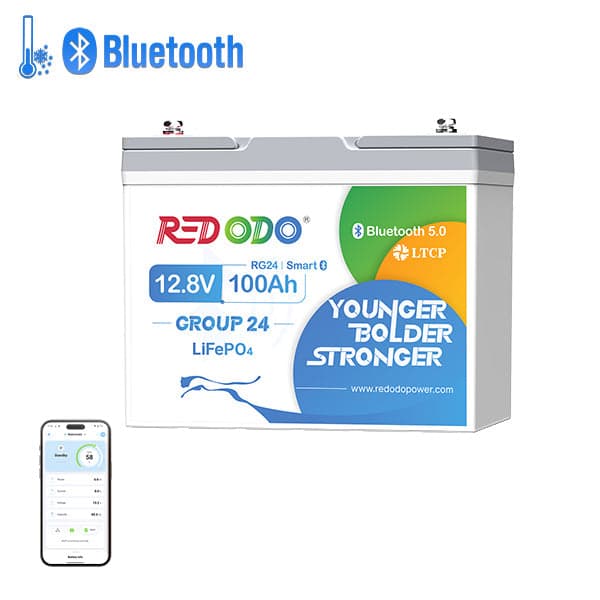
Germany's 0% VAT rule for home solar storage explained: who qualifies, the tax-free variants, and how to order.
Read the guide →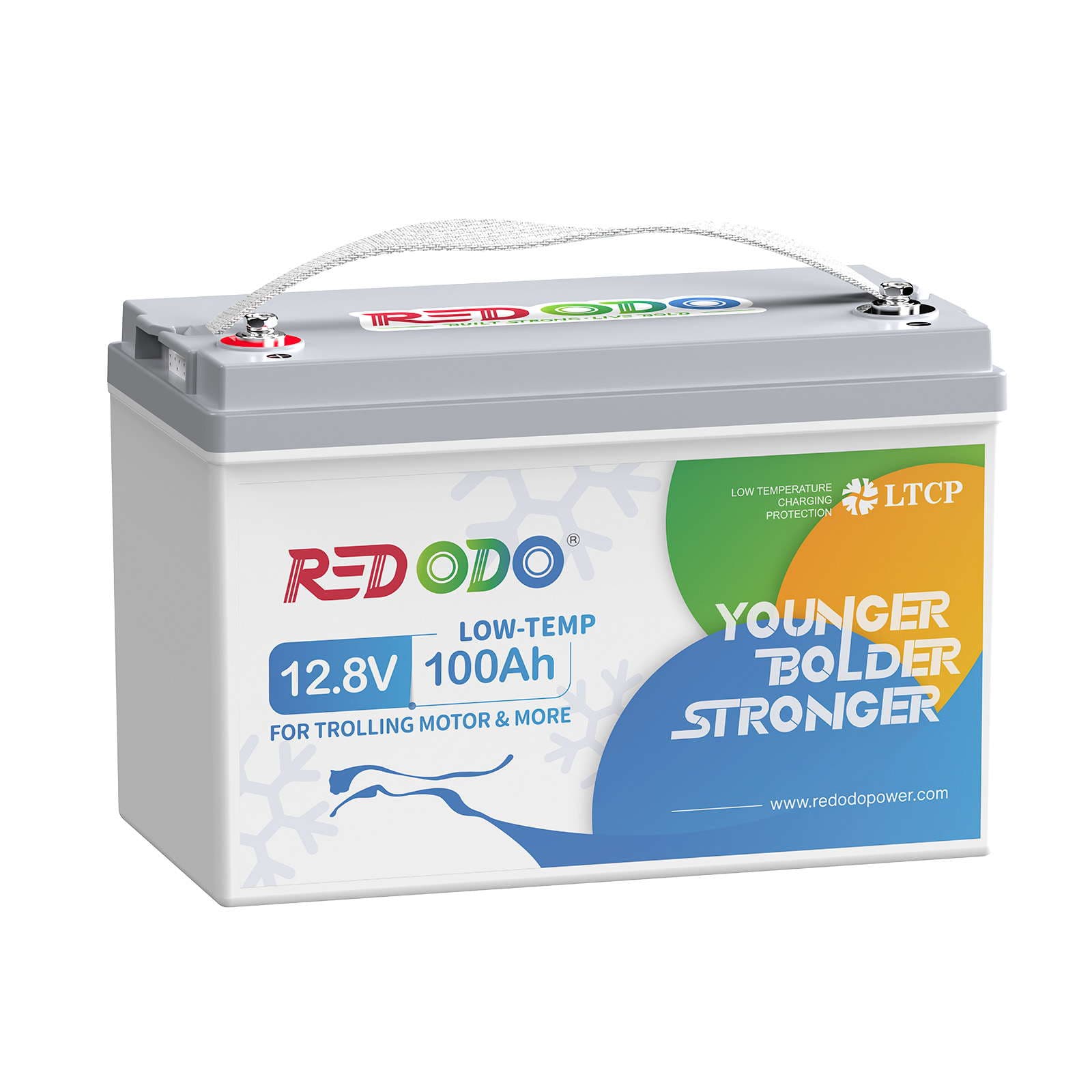
0V usually means the BMS tripped, not dead cells — the 3-point measurement check and wake-up procedure from a real support case.
Read the guide →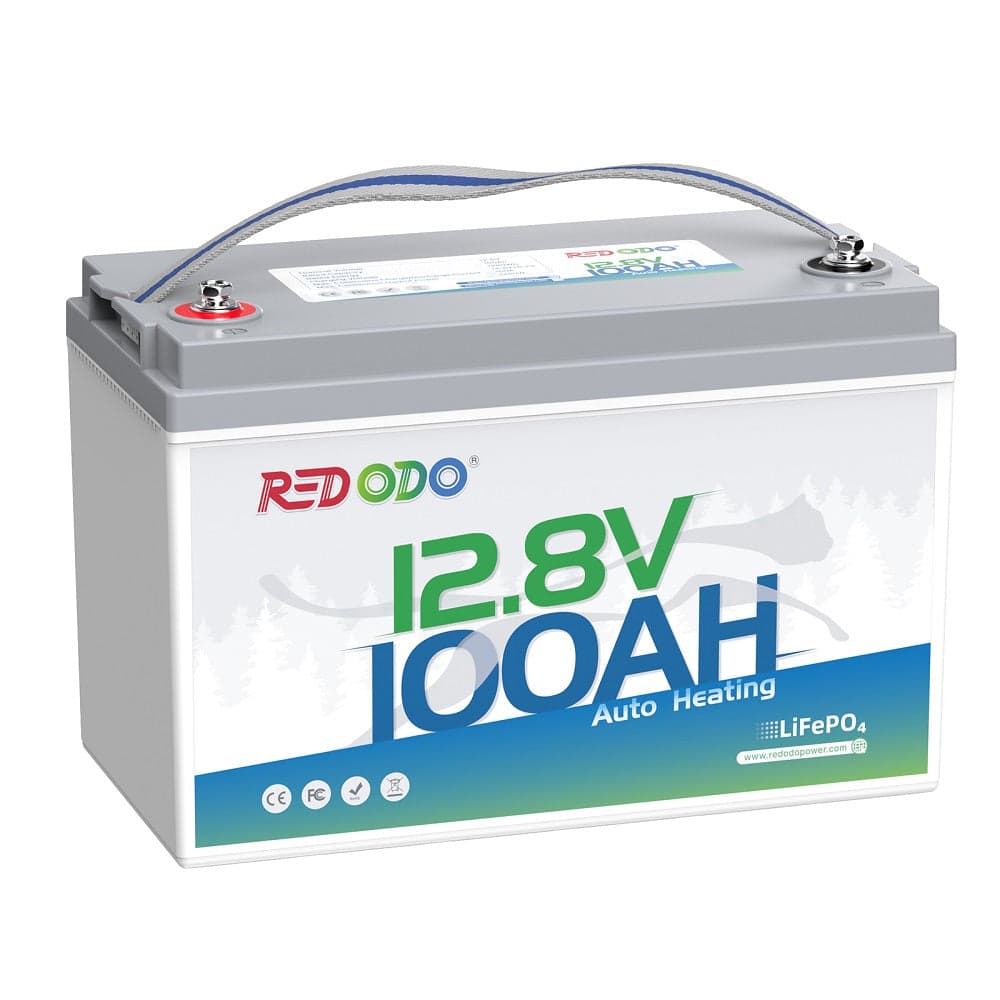
Usable energy, voltage sag and cold charging compared — plus low-temperature protection for year-round camping.
Read the guide →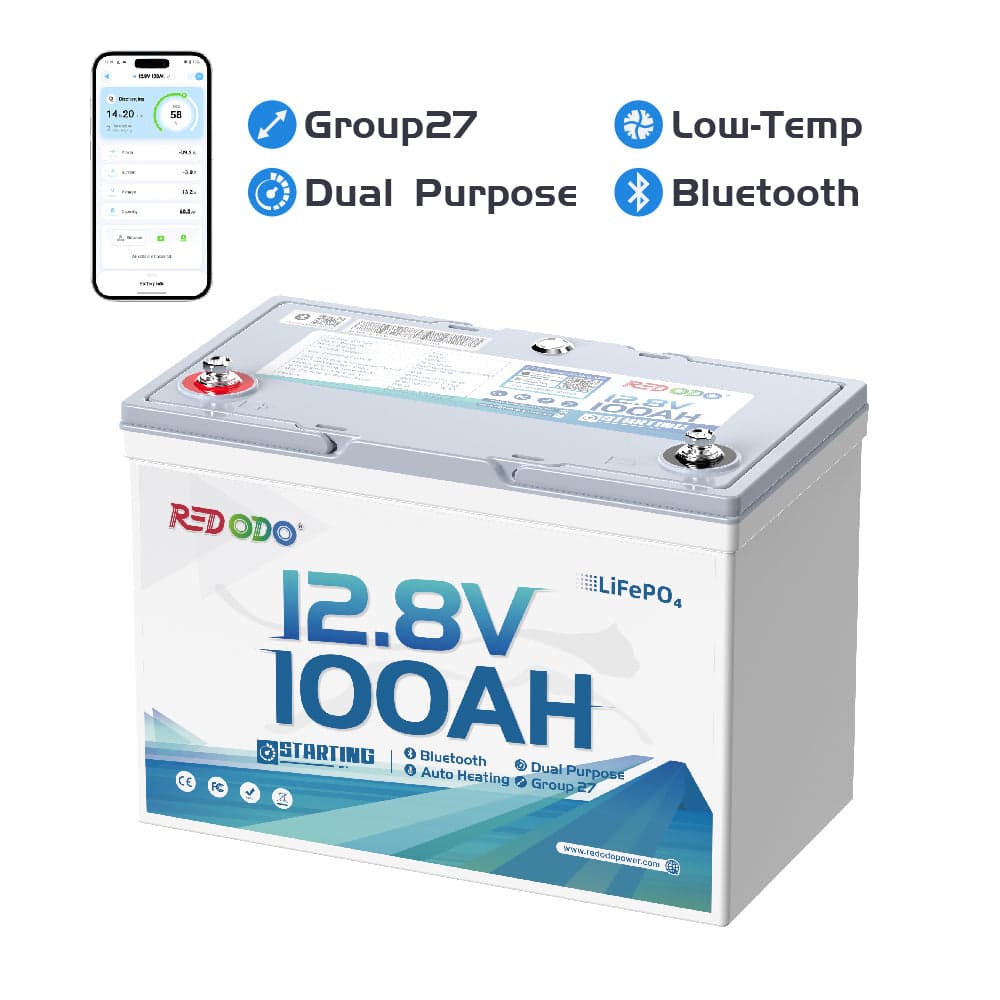
Draw, runtime and voltage choice for electric outboards — the sweet spots for kayaks, day boats and big thrust rigs.
Read the guide →400W pushes ~33A at 12V — why 100Ah is the minimum, when 200Ah pays off, and the MPPT lithium-profile checklist.
Read the guide →Motorhome and caravan
Silent 230V power via inverter - no generator noise, no campsite hookup needed.
Sailing and marine
House bank for navigation, autopilot and fridge. LiFePO4 tolerates partial charge states that kill lead-acid.
Solar off-grid cabins
Daily cycling from rooftop or ground-mount arrays. Pair with an MPPT controller sized for your panel voltage.
Trolling motors
Half the weight of lead-acid with steady voltage all day.
Home backup
Bridge short outages for routers, lights and fridges. Recharges from solar or grid between events.
Cold-weather camping
Flat voltage keeps heaters and fridges running on frosty nights; choose Bluetooth models to watch cell temperature from the cab.
Kayak and small-boat fishing
A 100Ah mini lithium weighs a fraction of lead-acid and runs a 55 lb trolling motor all day without voltage fade.
Are you curious about the differences between LiFePO4 and Lithium Ion batteries? Both are rechargeable lithium-based powerhouses, but they are not created equal.
Find out moreBest price yet, save up to €300. Tax exemption only valid for private PV systems in Germany; orders for motorhomes are not tax-exempt. Submit the tax exemption form before ordering.
Tax exemption pageThank you for considering Redodo for your energy storage solutions. Our dedicated Pre-Sales & Support team is here to assist with any product inquiries.
[email protected]At 12V, 400W delivers up to ~33A – a 100Ah LiFePO4 battery is the practical minimum, 200Ah if you want reserve for cloudy days or inverter loads. At 24V, a 100Ah battery (2.56kWh) covers it with lower current and thinner cabling.
Yes, provided it has a lithium charging profile (14.4–14.6V absorption for 12V systems). Set the profile before connecting, and confirm charge current in the battery Bluetooth app on the first sunny day.
Either works — choose by your loads. Stay 12V if your loads (lights, pumps, diesel heater) are 12V. Go 24V if you run an inverter or a trolling motor – current halves, wiring is easier, and expansion to larger banks is simpler.
Measure in three places with a multimeter: directly at the battery terminals, behind the fuse, and at the controller output. If the battery reads 0V but the controller side is live (or vice versa), you have isolated the fault – in a real case we diagnosed, those readings showed the BMS had tripped while the controller was still feeding voltage.
Around 13.2–13.4V at rest when full. A reading of 0V does not mean dead cells – it means the BMS has disconnected output for protection. If voltage returns to the 13V range after a charger wake-up pulse and holds under load, the battery has recovered.
Yes — wet connections or a struggling solar controller can feed irregular voltage that trips BMS protection; the sealed cells themselves rarely get wet. This was exactly the pattern in a support case we handled after a rainy night. Keep all connections dry, confirm the controller is regulating correctly, and check the fuse before assuming the battery failed.
BMS protection can trigger at any age: one deep discharge below cut-off, a momentary short, or an over-current event is enough – an April 2024 battery we supported ran perfectly for over two years before one such event. Age alone is not the diagnosis; work through the 0V checks first.
Multimeter readings at the battery terminals, behind the fuse, and at the controller; the charger type and what voltage it shows; photos of the wiring and setup; and purchase date plus order details. This is the same checklist we use when helping readers, and it gets faster answers from Redodo support ([email protected]).
Almost certainly not – 0V means the BMS has disconnected the cells for protection (deep discharge, short, or controller fault). Measure at the terminals, check fuses, and wake it with a LiFePO4 charger pulse. Full steps are in our guide above.
Disconnect all loads and solar, check/replace the fuse, then apply a brief charge from a LiFePO4-compatible charger. If voltage returns to ~13.2–13.4V and holds under load, the battery has recovered.
In most cases yes – Group 24 LiFePO4 batteries are built as drop-in replacements. Check that your mains charger and solar controller have a lithium profile, and size up usable capacity (100Ah lithium ≈ 200Ah AGM in practice).
About 2 hours at full thrust (~50A) or a full fishing day at typical trolling speeds (10–20A). Lithium keeps thrust constant where lead-acid fades.
No – we are an independent buying guide focused only on Redodo batteries. All buy buttons link to Redodo's official regional stores, and purchases through our links may earn us a commission at no extra cost to you.